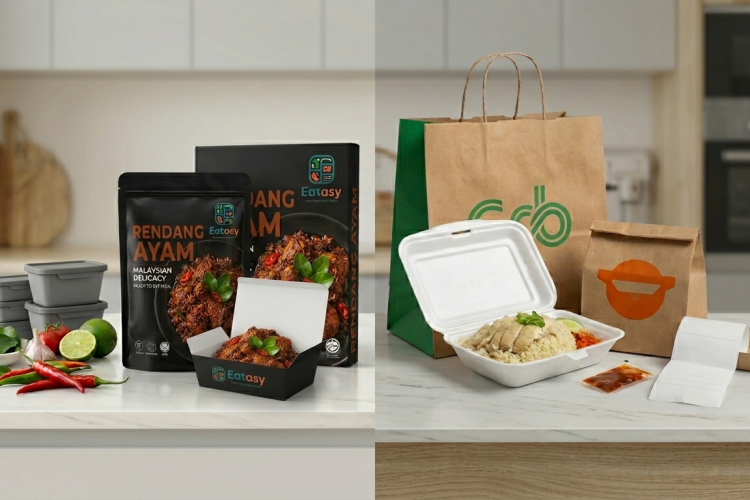
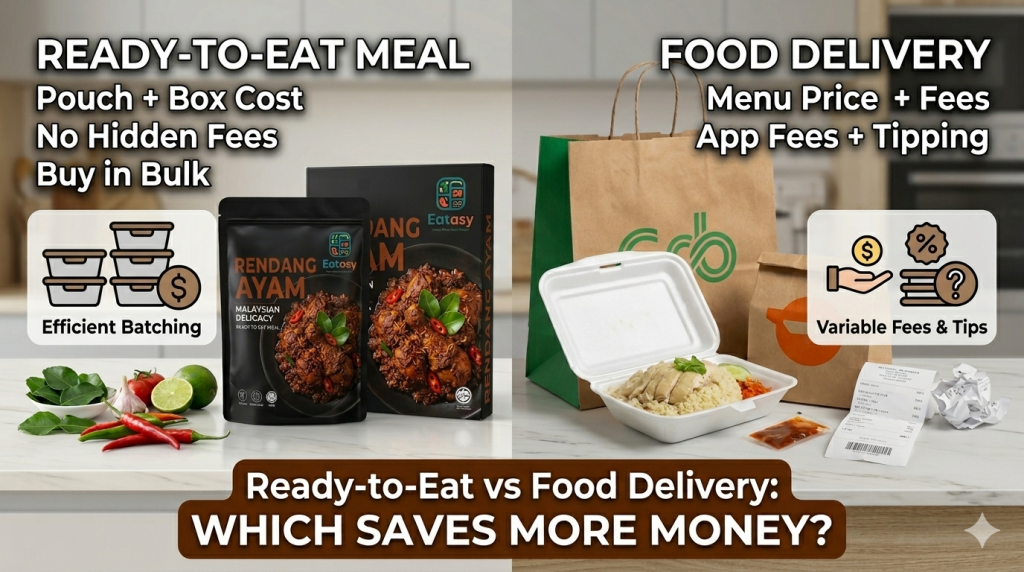
In today’s fast-paced lifestyle, convenience plays a major role in how people choose their daily meals. Two popular options—food delivery services and ready-to-eat meals—offer quick solutions for busy individuals. But beyond convenience, one key question remains: which option is more cost-effective?
This article compares both choices in terms of cost, convenience, and overall value.
The True Cost of Food Delivery
Food delivery apps have made it incredibly easy to enjoy restaurant meals at home. However, the final price is often much higher than expected due to additional charges.
A typical food delivery bill may include:
- Base food price
- Delivery fee
- Service fee
- Surge pricing during peak hours
For example, a meal priced at RM15 may end up costing RM20 or more after fees are added.
While occasional ordering is manageable, frequent use of food delivery can significantly increase monthly food expenses.
The Cost Advantage of Ready-to-Eat Meals
Ready-to-eat meals offer a more straightforward pricing structure. The price you see is the price you pay, with no hidden charges.
Key advantages include:
- No recurring delivery fees for every meal
- No service charges
- No surge pricing
- Budget-friendly bulk purchasing options
- Longer shelf life compared to fresh delivery meals
Convenience and Time Efficiency
While food delivery is convenient, it often requires waiting time that can range from 30 minutes to over an hour, especially during peak periods or bad weather.
In contrast, ready-to-eat meals are typically quicker to prepare:
- Heat the meal according to instructions
- Add rice or side dishes if needed
- Serve and enjoy
This makes ready-to-eat meals particularly useful for late nights, busy schedules, or situations where immediate meals are needed.
Food Waste and Value
Food waste is an often-overlooked cost factor.
Food delivery can contribute to waste when:
- Portions are too large
- Leftovers are not finished
- Food is ordered impulsively
Ready-to-eat meals help reduce waste because they are:
- Pre-portioned
- Shelf-stable
- Easy to store and use only when needed
This improves overall value for money by reducing unnecessary food disposal.
Best Use Cases for Each Option
Food delivery is ideal for:
- Social meals or gatherings
- Treating yourself occasionally
- Trying new restaurants
Ready-to-eat meals are ideal for:
- Busy workdays
- Student lifestyles
- Emergency meals
- Budget-conscious planning
- Late-night hunger
Both food delivery and ready-to-eat meals offer convenience, but they differ significantly in cost and long-term value. Food delivery provides variety and immediacy but comes with added fees and higher overall expenses. Ready-to-eat meals, on the other hand, offer predictable pricing, reduced waste, and better long-term affordability.
For individuals looking to manage their food budget more efficiently while still enjoying convenient meals, ready-to-eat options present a strong alternative. Ultimately, the best choice depends on your lifestyle—but for consistent savings, ready-to-eat meals often come out ahead.
